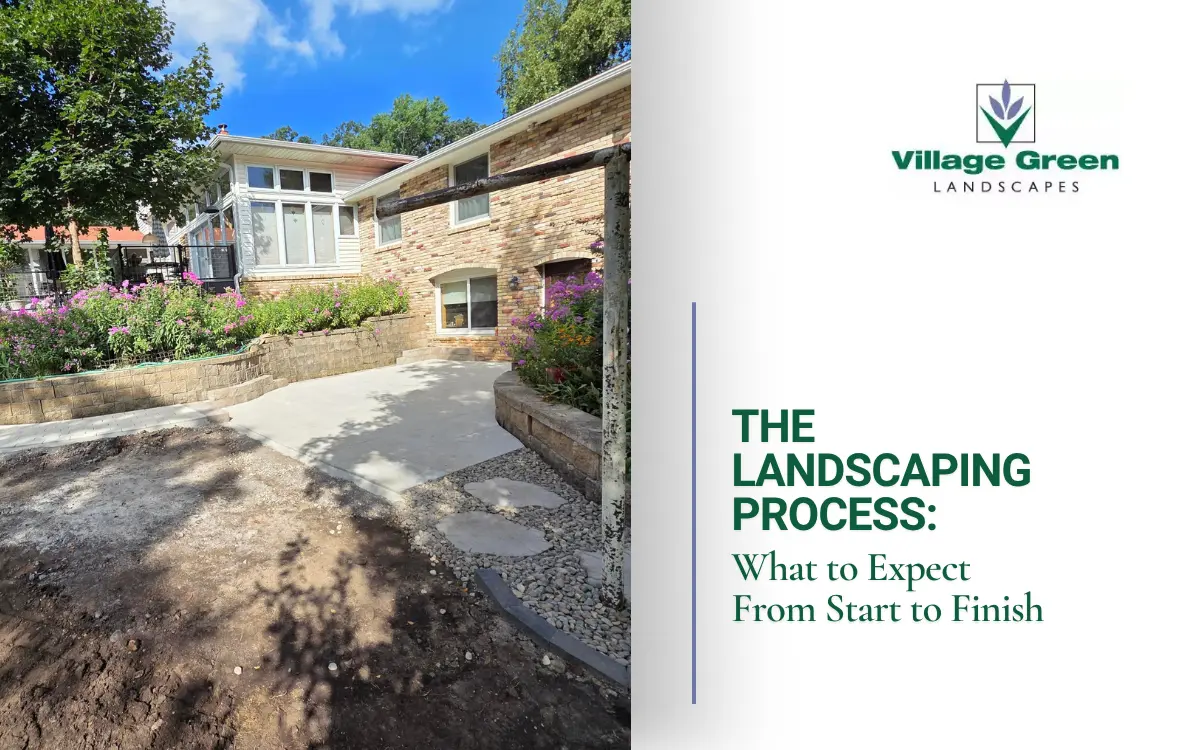
The Landscaping Process: What to Expect From Start to Finish
A landscaping project can completely change the look and feel of your yard. A well-designed landscape adds beauty, enhances functionality, and increases your home’s value. But many homeowners are unsure about what the process actually looks like.
At Village Green Landscapes, every project follows a clear process. This step-by-step approach keeps the project organized and helps deliver the best results.
If you are thinking about improving your outdoor space, it helps to understand how the landscaping process works.
Below is a simple guide to the typical steps involved in a professional landscaping project.
Step 1: The Initial Consultation
Every landscaping project begins with a conversation. During the consultation, the landscaping team meets with the homeowner to learn about their goals and ideas.
This step is important because every property and homeowner is different.
During the consultation, you may discuss:
- How do you want to use the space
- Your style preferences
- Features you want, such as patios, walkways, or gardens
- Maintenance expectations
- Budget and timeline
The team will also assess your yard to understand current conditions. They will note factors such as sun exposure, drainage, soil type, and slope.
This information helps guide the design and planning process.
Step 2: Site Analysis and Planning
Once the consultation is complete, the landscaping team studies the property more closely. This step is called site analysis.
The goal is to understand how the yard functions before making changes.
Professionals will evaluate:
- Existing trees and plants
- Soil quality
- Drainage patterns
- Property lines
- Sun and shade areas
Good planning prevents problems later. For example, poor drainage can damage landscaping if left unchecked.
A strong plan ensures the landscape will look great and work well for many years.
Step 3: Landscape Design
After gathering all the information, the next step is creating the landscape design.
This is where ideas start to come to life.
Designers develop a plan that shows how the finished landscape will look. The design may include features such as:
- Patios and outdoor living areas
- Walkways and steps
- Retaining walls
- Garden beds
- Trees and shrubs
- Lighting features
- Water features
The design focuses on both beauty and function. A good landscape should guide movement, highlight the home, and create comfortable outdoor spaces.
Homeowners review the design and provide feedback. Adjustments can be made to ensure the final plan matches your vision.
Step 4: Budget and Project Scheduling
Once the design is approved, the landscaping company prepares a project estimate. This estimate outlines the costs for materials, labor, and installation.
Clear pricing helps homeowners understand the full investment before work begins.
Next, the project is scheduled.
Landscaping projects often depend on weather, material availability, and project size. A professional team will provide a timeline so you know what to expect.
Proper scheduling keeps the project moving smoothly.
Step 5: Site Preparation
Before construction begins, the site must be prepared.
Site preparation may include:
- Removing old landscaping or structures
- Grading the yard
- Improving soil conditions
- Addressing drainage issues
This step creates a strong foundation for the new landscape.
Grading is especially important. It ensures water flows away from the home and prevents standing water in the yard.
Without proper preparation, even the best landscape design can fail over time.
Step 6: Hardscape Installation
Hardscape is the built-in features in your landscape. These structures create the framework for the outdoor space.
Common hardscape features include:
- Patios
- Walkways
- Retaining walls
- Fire pits
- Outdoor kitchens
- Seating areas
Hardscape installation usually happens first because these features require excavation, heavy materials, and precise construction.
Professionals carefully install base layers, leveling materials, and drainage systems before placing pavers or stone.
A strong hardscape foundation ensures these features remain stable and durable for many years.
Step 7: Softscape Installation
After the hardscape is completed, the next step is installing plants and greenery. This part of the project is called softscaping.
Softscape elements include:
- Trees
- Shrubs
- Flowers
- Garden beds
- Sod or grass seed
Plants are selected based on the environment and maintenance needs. Native and climate-friendly plants are often recommended because they adapt well to local conditions.
Designers place plants carefully to create layers, color, and texture throughout the yard.
This step brings life and natural beauty to the landscape.
Step 8: Irrigation and Lighting
Modern landscapes often include systems that improve convenience and safety.
Two common additions are irrigation and outdoor lighting.
Irrigation Systems
Irrigation systems help keep plants healthy by delivering the right amount of water. Automated systems save time and ensure consistent watering.
Proper irrigation also helps protect plants during hot or dry periods.
Landscape Lighting
Outdoor lighting highlights key features and improves safety at night.
Lighting can be used to illuminate:
- Walkways
- Entryways
- Trees
- Architectural features
Well-designed lighting creates a welcoming outdoor environment after the sun goes down.
Step 9: Final Walkthrough
Once installation is complete, the landscaping team performs a final walkthrough with the homeowner.
During this step, they review the project together and ensure everything meets expectations.
Homeowners can ask questions about:
- Plant care
- Watering schedules
- Seasonal maintenance
- Landscape upkeep
This final review helps homeowners feel confident about caring for their new landscape.
Step 10: Ongoing Landscape Maintenance
A beautiful landscape needs regular care to stay healthy and attractive.
Maintenance may include:
- Lawn care
- Pruning shrubs and trees
- Mulching garden beds
- Seasonal planting
- Irrigation adjustments
Professional maintenance services can help keep your landscape looking its best year-round.
Consistent care protects the investment you made in your outdoor space.
Transforming Your Outdoor Space
A landscaping project is more than just planting flowers or laying pavers. It is a detailed process that combines design, planning, and skilled installation.
Each step plays an important role in creating a yard that is both beautiful and functional.
When done correctly, landscaping can transform your property into a space where you relax, entertain, and enjoy nature.
Working with experienced professionals ensures the process runs smoothly from the first consultation to the final result.
At Village Green Landscapes, thoughtful planning and expert craftsmanship help bring outdoor spaces to life, one step at a time.