Does your Twin Cities property have that frustrating slope where nothing grows well, water runs off during heavy rains, or you simply can’t use the space for family activities? You’re not alone. Many established neighborhoods in St. Paul and surrounding suburbs feature rolling terrain that creates both drainage challenges and unusable yard areas that leave homeowners feeling like they’re not getting full value from their property investment.
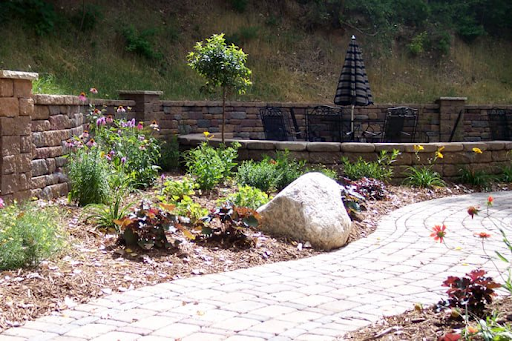
A professionally designed retaining wall can transform these problematic areas into beautiful, functional spaces where your family actually wants to spend time. Picture converting that eroding hillside into terraced garden beds where your children help plant flowers, or creating a level patio area where you can finally place that outdoor dining set you’ve been wanting to use.
Understanding Retaining Walls: Solutions for Real Problems
Retaining walls are precisely engineered structures designed to hold back soil and prevent erosion, particularly effective for properties with significant grade changes or slopes common throughout the Twin Cities area. Unlike simple decorative features, these walls serve as essential infrastructure that protects your property investment while creating opportunities for enhanced outdoor living.
The Science Behind Soil Retention
The engineering principle is straightforward: retaining walls counteract gravity’s natural tendency to move soil downhill. In Minnesota’s climate, this becomes particularly important during spring thaw and heavy summer storms when saturated soil becomes unstable and prone to movement. Professional installation ensures proper foundation depth below the frost line and adequate drainage systems that prevent freeze-thaw damage.
Material Options for Minnesota Conditions
Natural Stone: Local limestone and regional sandstone provide authentic Minnesota character while offering excellent freeze-thaw resistance. These materials complement established neighborhood aesthetics while providing decades of reliable performance.
Engineered Concrete Blocks: Modern segmental retaining wall systems offer design flexibility and predictable performance. These systems include built-in drainage features and proven structural integrity for Minnesota soil conditions.
Poured Concrete: For challenging sites with significant height requirements or specific engineering needs, reinforced concrete provides maximum structural capability while accommodating custom design features.
Professional vs. DIY Considerations
While basic garden borders might seem suitable for DIY installation, effective retaining walls require understanding of soil mechanics, drainage engineering, and local building codes. Walls over 4 feet typically require permits and professional engineering, but even smaller installations benefit from expert site evaluation and proper construction techniques.
Solving Common Twin Cities Property Challenges
Minnesota homeowners face unique landscape challenges that retaining walls address effectively. Understanding these specific applications helps determine whether professional retaining wall installation aligns with your property improvement goals.
Erosion Control and Soil Preservation
Erosion represents one of the most costly and frustrating problems for sloped properties. Spring snowmelt and summer storm runoff can wash away expensive topsoil, damage plantings, and create unsightly gullies that worsen over time. According to USDA research, strategic retaining wall installation can reduce soil erosion by up to 90%, protecting your landscaping investment while maintaining stable growing conditions.
Consider a recent project in Highland Park where severe erosion threatened both the homeowner’s garden investment and neighboring properties. Professional retaining wall installation eliminated ongoing soil loss while creating terraced planting areas that transformed the problematic slope into the property’s most attractive feature.
Water Management and Foundation Protection
Proper water management becomes critical for protecting your home’s foundation and maintaining healthy outdoor spaces. Retaining walls designed with appropriate drainage systems redirect runoff away from structures while preventing water accumulation that can damage both walls and surrounding areas.
Professional installation includes French drain systems, weep holes, and proper backfill materials that ensure long-term performance even during Minnesota’s challenging freeze-thaw cycles. This comprehensive approach protects your retaining wall investment while addressing broader property drainage concerns.
Creating Functional Outdoor Living Areas
Many Twin Cities families discover that sloped yard areas limit their outdoor living potential. Retaining walls create level areas perfect for patios, outdoor dining spaces, play areas, or garden beds that simply weren’t possible on the original terrain.
A recent project in Woodbury transformed a steep backyard slope into multiple terraced levels: an upper dining patio, mid-level garden beds, and a lower play area for children. This comprehensive solution maximized the family’s outdoor space utilization while solving long-standing drainage problems.
Design Integration and Property Enhancement
Professional retaining wall design considers your property’s architecture, existing landscaping, and family lifestyle needs to create solutions that enhance rather than compete with your home’s character.
Architectural Harmony
Retaining walls should complement your home’s architectural style and existing hardscape features. Traditional Twin Cities homes often benefit from natural stone walls that echo foundation materials or historic neighborhood character. Contemporary homes might feature clean concrete lines or engineered block systems that provide modern aesthetic appeal.
Landscape Integration
Effective retaining wall design considers existing mature trees, established garden areas, and future landscaping plans. Professional installation can incorporate features like built-in planters, integrated lighting, or coordinated pathways that create cohesive outdoor environments rather than isolated structures.
Multi-Functional Design Elements
Modern retaining wall design often incorporates additional features that enhance outdoor living:
Integrated Seating: Built-in bench caps provide permanent seating solutions for terraced areas Planter Integration: Tiered walls create opportunities for varied plantings at different elevations
Lighting Systems: Integrated pathway and accent lighting extend usability into evening hours Storage Solutions: Hollow wall systems can accommodate utility connections or storage needs
Installation Excellence and Long-Term Performance
Professional retaining wall installation ensures your investment provides decades of reliable service while maintaining attractive appearance and functionality throughout Minnesota’s challenging seasonal conditions.
Foundation Requirements
Minnesota’s frost depth requirements demand foundations extending below 42-inch depth for permanent structures. Professional installation includes proper excavation, base preparation, and frost protection that prevent seasonal movement and structural damage.
Drainage Engineering
Effective drainage represents the most critical factor in retaining wall longevity. Professional installation includes:
Backfill Design: Proper granular backfill materials that promote drainage while providing structural support French Drain Systems: Perforated pipe systems that collect and redirect groundwater away from wall structures Weep Hole Spacing: Strategic drainage openings that prevent hydrostatic pressure buildup Surface Drainage: Grading and surface features that direct runoff away from wall areas
Quality Construction Techniques
Professional installation ensures level courses, proper setback angles, and appropriate reinforcement spacing that provide structural integrity and attractive appearance. These details affect both immediate performance and long-term durability.
Property Value Enhancement and Investment Returns
Retaining walls represent significant property improvements that enhance both immediate enjoyment and long-term property values when professionally designed and installed.
Market Value Impact
According to National Association of Realtors research, properties featuring professional hardscaping improvements can appreciate by 15-20%. Retaining walls specifically address multiple buyer concerns: erosion control, usable outdoor space, and professional landscape management that appeals to quality-conscious homeowners.
Functional Value Creation
Beyond market value, retaining walls create functional value through:
Usable Space Expansion: Converting unusable slopes into functional outdoor living areas Maintenance Reduction: Eliminating ongoing erosion problems and associated repair costs Safety Improvements: Creating stable, level areas that reduce fall risks and improve accessibility Landscape Protection: Preserving existing landscaping investments from erosion damage
Long-Term Cost Considerations
While professional retaining wall installation represents significant initial investment, quality construction provides decades of maintenance-free service. This contrasts favorably with ongoing costs of erosion repair, replanting damaged areas, and managing drainage problems.
Is a Retaining Wall Right for Your Property?
Determining whether retaining wall installation aligns with your property improvement goals requires considering your specific site conditions, family needs, and long-term objectives.
Clear Indicators for Retaining Wall Benefits
Erosion Problems: Active soil loss, washouts, or unstable slopes that threaten landscaping or structures Drainage Issues: Standing water, runoff problems, or moisture concerns affecting your home’s foundation Unusable Slope Areas: Steep terrain that prevents normal yard use or landscaping installation Safety Concerns: Unstable soil conditions or steep areas that present fall risks
Lifestyle Enhancement Opportunities
Outdoor Living Expansion: Creating level areas for entertaining, dining, or relaxation Garden Development: Establishing terraced growing areas for vegetables, flowers, or ornamental plants Property Utilization: Maximizing usable yard space for family activities and outdoor enjoyment
Investment Considerations
Quality retaining wall installation represents a substantial investment that provides both immediate benefits and long-term value enhancement. Professional evaluation helps determine appropriate scope and budget parameters that align with your property improvement priorities.
Transform Your Challenging Yard into an Outdoor Living Paradise
Your sloped or problematic yard areas don’t have to remain frustrating limitations on your outdoor living enjoyment. Professional retaining wall installation can transform these challenges into your property’s most attractive and functional features.
Our 25+ years of Twin Cities expertise ensure retaining wall solutions that address your property’s specific challenges while enhancing long-term value and outdoor living potential. We understand local soil conditions, drainage requirements, and aesthetic preferences that create successful long-term installations.
Ready to transform your challenging slope into a beautiful, functional outdoor living space? Contact Village Green Landscapes for comprehensive site evaluation and custom design solutions that address your property’s unique needs while maximizing your outdoor living potential.