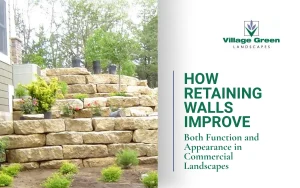
Choosing the right contractor is crucial when enhancing your outdoor space with a new retaining wall. It’s not just about aesthetics; the right team can ensure that your wall stands strong and serves its purpose for years. Yet, navigating through potential options can feel overwhelming—how do you sort through the promises and information to find the perfect fit? In this article, we’ll walk you through essential tips for selecting a contractor who not only understands the technical details but also values communication and quality at every step. Whether you’re a first-timer or seasoned homeowner, these insights will help empower you to make informed decisions that transform your vision into reality.
Top Tips for Choosing a Contractor
Selecting a contractor for the installation of your retaining wall carries significant responsibility. One of the most important aspects to verify is whether the contractor holds valid licenses and has insurance. An unlicensed contractor risks inadequate work and potential legal issues; if something goes wrong on-site, you could be held liable without proper insurance in place. Ensuring that your contractor is both licensed and insured protects you from unforeseen accidents during construction, letting you enjoy peace of mind through every phase of the project. But once you’ve confirmed this key information, the next layer to explore involves assessing their reputation through references and reviews.
Don’t hesitate to request references from past clients; these testimonies can provide valuable insights into the contractor’s work ethic and skill level. Beyond just asking, make it a point to scour online platforms like Yelp or Angie’s List for additional feedback. Real experiences captured in reviews often hold surprising revelations about how well a contractor communicates or addresses issues—even long after the project is completed. Your comfort level is vital here, as selecting someone whose past clients have been satisfied ensures you’re making an informed choice.
Having confidence in reviews leads naturally to diving deeper into another crucial aspect: evaluating their experience and expertise in the specific area of retaining walls.
Expertise should never be taken lightly when hiring a contractor. It’s necessary to inquire about how many similar projects they’ve successfully executed and what unique challenges they’ve overcome along the way. A seasoned expert is not only familiar with various types of materials but also possesses the insight to foresee challenges that newer contractors might not consider—things like soil erosion, drainage solutions, or local weather impacts can all play significant roles in the project’s success.
While you may come across arguments touting cost savings with newer contractors who might offer lower rates, be cautious; investing in an experienced contractor could save you from costly remedial work down the line. After all, these installations aren’t just about beauty; they must stand strong against time and nature.
Therefore, always prioritize working with contractors who can show proven results and effective problem-solving skills within the realm of retaining walls; your home deserves nothing less than expertise backed by experience.
With these vital considerations under your belt, understanding what quality services entail will allow you to make an informed choice that will ultimately enhance your property’s value and appeal.
What to Expect from Quality Services
When looking for contracting work, particularly on something as significant as a retaining wall, several elements contribute to what constitutes quality service. First and foremost is transparent communication. You want a contractor who not only communicates actively but also ensures you are consistently updated during all phases of the project.
Timely Completion and Efficient Workflow
A reputable contractor will always provide you with a clear timeline for your project. This timeline isn’t just for show; it should be adhered to throughout the construction process. Delays inevitably happen, but what’s essential is that they are communicated promptly along with valid reasons for the disruption. An honest explanation, which aligns with our earlier discussion of transparent communication, can significantly transform frustration into understanding.
In turn, an efficient workflow contributes significantly to achieving these completion timelines. Focused teams create an atmosphere where work flows smoothly with minimal disruptions to the homeowner’s daily life. This efficiency translates into strategies like scheduling specific tasks to occur simultaneously when possible or ensuring that all materials have been procured ahead of time. Such preparations expedite the installation process and prevent last-minute hurdles. You certainly do not want your backyard transformed into a construction site for longer than necessary; that’s where professionalism comes into play.
Post-Installation Support
Quality services don’t end once the project is finished; instead, they expand into post-installation support as well. A responsible contractor should offer either ongoing maintenance or advice regarding care for your new installation, ensuring that it lasts through the seasons. Understanding how to best preserve your retaining wall can save you both time and money down the line. When evaluating potential contractors for your retaining wall installation, seek companies that emphasize core values: transparent communication, timely completion, an efficient workflow, and lasting support after the job is done.
The Installation Process Overview
Understanding the retaining wall installation process can help you set realistic expectations and communicate better with your contractor. The journey commences with the initial consultation, during which conversations become the primary focus. During this meeting, your contractor will listen closely to your needs, preferences, and budget. They’ll carefully inspect your site, noting any potential challenges or unique features of the landscape that could affect the installation design. The process is not just about getting an estimate; it’s about crafting a vision together. A collaborative approach at this early stage helps build trust and lays a solid foundation for the entire project.
Step I—Initial Consultation
Following our detailed discussion during this consultation, you can anticipate the contractor to offer preliminary estimates based on the topics covered. These numbers are starting points, as factors like complexity and materials will dictate the final cost later on. It’s essential to voice any concerns or additional thoughts during this open communication that serves both parties well moving forward.
Step II—Design and Planning
Once the consultation wraps up, and you’ve agreed on a clear direction, we segue into Design and Planning. Here, creativity meets practicality. The contractor will draft a detailed design plan that takes into account crucial elements such as soil type, drainage requirements, and compliance with local regulations. Unlike scribbles on paper, this blueprint shapes your retaining wall’s long-term performance.
Step III—Site Preparation and Excavation
With a solid plan in place, we now move on to one of the most vital phases: Site Preparation and Excavation.
During this phase, the area designated for your retaining wall undergoes significant transformation. Any debris will be meticulously cleared away, so excavation for the foundation can commence without hindrances. Proper site preparation is akin to laying a strong foundation for a house; neglecting it can jeopardize the stability and durability of your wall later on. As excavators dig into the earth, they’re laying down more than just rock or soil—this space becomes integral to ensuring your wall stands tall against gravity’s pull.
Step IV—Building the Wall
Finally, we arrive at what many consider the most exciting part: Here lies the culmination of meticulous planning. The actual construction involves several steps, including laying down the foundational layer for support, erecting the wall structure itself, and incorporating proper drainage systems to mitigate water-related issues. This stage usually takes more time than anticipated because each piece of stone or block must be placed with precision.
A blemish in construction may cause looming problems later, such as shifting blocks or water pooling behind the wall—defeating its very purpose! Thus, having skilled people dedicated to every detail ensures not only aesthetic appeal but also functional integrity.
Gaining insights into these steps will empower you as you engage with your contractor while preparing your space effectively for what lies ahead.
Preparing Your Property for Construction
The first step in preparing your property involves careful planning and consideration of all aspects of the project. Think of it not just as clearing space, but as setting the stage for success. A well-prepared site allows your contractor to work effectively, minimizing potential delays and maximizing results. It’s not just about aesthetics; it’s about establishing the foundation for a seamless experience from beginning to end.
Clearing the Area
Start by removing personal items, furniture, or plants from the construction zone. Such removal clears a path and protects your belongings from accidental damage during installation. When I worked on my own landscaping project, moving some of my favorite garden decorations to a safe spot relieved my anxiety about potential mishaps. You might also want to relocate objects like birdbaths or lawn ornaments that could obstruct workers’ movements or get lost in the shuffle.
Informing Neighbors
Once you’ve cleared the area, let’s address another vital aspect: communication with those living nearby.
Informing your neighbors about the upcoming construction can prevent misunderstandings related to noise or disruptions. Neighbors may appreciate a heads-up, especially if they’re sensitive to sound or accustomed to tranquility in their surroundings. By sharing your plans with them, you’re fostering goodwill and demonstrating respect for shared community spaces. This simple act can lead to friendly conversations or even helpful offers of assistance when things get underway.
Arranging for Waste Disposal
Lastly, discuss waste disposal with your contractor before work begins. Having a clear plan for how debris will be removed keeps the site organized and safe. Contractors often have established relationships with waste disposal services, which can simplify logistics significantly. It could involve scheduling regular pickups or supplying bins on-site—flexibility is key here!
Moreover, arranging waste disposal ahead of time means you’ll avoid clutter accumulating throughout the project, which can lead to potentially hazardous conditions—think loose stones or sharp materials lying around. Keeping an organized job site contributes to safety and fosters efficiency in execution as well.
With these preparations in mind, you’ll find yourself better equipped for what lies ahead in this journey towards constructing your retaining wall while facilitating effective collaboration with contractors along the way.
Researching Local Contractors
Start by compiling a list of potential contractors in your area. This initial step creates a foundation for informed decision-making. The goal is to have a diverse pool of candidates whom you can evaluate based on experience, reputation, and specialties that suit your retaining wall project.
Utilize Online Resources
Websites such as Houzz, Angie’s List, and the Better Business Bureau are valuable tools in this search. They offer extensive directories of contractors with detailed reviews and ratings compiled from real customers. Reading through these reviews allows you to gauge experiences from others who have interacted with these professionals. Look for themes in ratings—such as punctuality, work quality, and customer service—which can help clarify which contractors consistently deliver exceptional results.
Additionally, checking each contractor’s website can provide insight into their specific services and previous projects. You might discover portfolios showcasing their expertise in retaining wall construction, highlighting styles from modern to rustic designs. Often, a professional website reflects pride in expertise; hence, a well-structured site may signify their attention to detail.
Community Recommendations
Alongside online research, engaging with local community boards or social media groups can prove invaluable.
Often, your neighbors can offer firsthand accounts of their experiences with contractors they’ve hired. Platforms like Facebook Groups or neighborhood forums provide a space for recommending trusted individuals. Friends or family members may also share valuable guidance on whom to consider—and whom to avoid—for your retaining wall installation.
Furthermore, asking specific questions about the contractors’ communication style or handling of unexpected challenges can reveal insights not found in written reviews. These discussions provide potential hires with the opportunity to showcase their responsiveness prior to formally engaging their services.
After gathering information about potential contractors, proceed logically by contacting them for quotes and further discussions about your project. The best contractor for installing your retaining wall isn’t just one with good reviews but also one who communicates clearly and shows genuine interest in delivering quality work tailored to your vision.
With a solid list of contractors at hand and a clearer picture of what you need, it’s time to explore the financial aspects involved in bringing your vision to life.
Evaluating Costs and Budget
When considering your investment in a retaining wall, it’s essential to understand both the immediate expenses and potential long-term financial implications. Initially, you might be drawn to a quote that seems budget-friendly, but it’s wise to look deeper into what those figures encompass.
For instance, when you obtain detailed quotes from multiple contractors, make sure to examine not merely the total estimated cost but also how those numbers break down into materials and labor. Understanding where your money goes empowers you to make informed decisions that are essential for effective budgeting.
When investing in a retaining wall project, it’s important to keep in mind that comparing quotes is similar to shopping for produce at different markets. While some quotes may appear cheaper initially, they may not meet quality standards or include hidden fees. Don’t shy away from asking for itemized estimates, ensuring aspects like foundation work or drainage solutions are included.
Hidden Costs
It’s crucial to remain vigilant about hidden costs that can surprise even the most prepared homeowners. Be conscious of potential expenses such as required permits or design fees that may not be included in your initial estimates. Additionally, issues with poor soil conditions can arise unexpectedly, adding to the overall cost.
It’s wise to set aside 10-15% of your budget as a contingency fund specifically for these kinds of surprise expenses. That little cushion can save you from distressing financial dilemmas down the line, ensuring the project remains manageable and within reach.
Beyond careful planning for initial costs and contingencies lies another important consideration: the long-term maintenance expenses ahead.
Long-Term Maintenance Expenses
The significance of material choice cannot be overstated when thinking about long-term ownership costs. Investing in higher-quality materials initially may require more capital upfront but can substantially mitigate future maintenance expenses.
A well-constructed retaining wall will endure over time and reduce the need for expensive repairs and maintenance. By choosing experienced contractors like Village Green Landscapes, you’re ensuring that potential water issues are actively considered and addressed before they develop into major problems.
This foresight exemplifies how investing wisely today yields greater rewards tomorrow, assuring you that your investment in a retaining wall does not just end with its installation; rather, it’s a commitment that extends well into your property’s future beauty and functionality.
Investing in a skilled contractor not only enhances the immediate appeal of your space but also supports the longevity of your retaining wall for many years to come.
Why Choose Village Green Landscapes for Your Retaining Wall?
When it comes to transforming your outdoor space, a well-built retaining wall does more than just add aesthetic appeal—it provides essential structural support, prevents soil erosion, and increases your property’s overall value. At Village Green Landscapes, we specialize in designing and constructing high-quality retaining walls that blend seamlessly with your landscape while offering long-term durability. As the trusted expert in retaining wall solutions in the Twin Cities, MN, we bring years of experience, precision craftsmanship, and superior materials to every project. Contact us today!