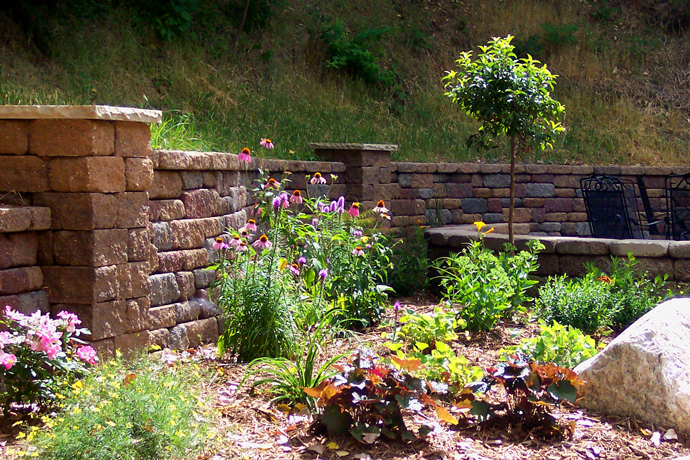
When you think about your yard, what comes to mind? A peaceful space to relax? An area for your kids to play? Perhaps you simply want to enjoy a pleasant view from your kitchen window. No matter your vision, achieving that blissful space often involves tackling pesky issues like soil erosion and water drainage. That’s where retaining walls come into play. These sturdy structures keep the soil in check and enhance your landscape’s beauty and functionality. Retaining walls plays a crucial role in improving the usability of sloped yards and effectively managing water runoff in outdoor spaces.
Benefits of Retaining Wall Installation
Retaining walls are essential for improving the landscape and usability of your yard, not just for preventing soil erosion. These structures are not merely functional; they can significantly improve the aesthetic appeal of your property. For instance, consider how a strategically placed retaining wall can serve as an eye-catching feature in your garden design. Instead of a simple slope, imagine a series of organized tiers that showcase vibrant flowers or create a picturesque vegetable garden. A well-designed wall effectively transforms what might have been an overlooked corner of your yard into a stunning focal point.
Additionally, retaining walls provide vital support to prevent erosion in areas where the landscape is uneven or sloped. By serving as barriers, they stabilize the earth behind them, particularly during heavy rains when soil can easily wash away. In fact, studies indicate that properly constructed retaining walls can reduce soil erosion by an impressive 70% in sloped areas. This means that every time it rains, your newly landscaped space is protected from becoming a muddy mess.
Another remarkable benefit lies in improved drainage. A thoughtfully installed retaining wall directs water runoff away from key structural areas such as foundations or basements. The process prevents flooding and promotes healthier landscaping by ensuring water drains correctly—preventing unwanted pooling and promoting better water management on your property. Furthermore, retaining walls contribute positively to property values—often increasing them by approximately 10% to 15%. Homebuyers appreciate carefully designed exterior spaces, making this an investment that pays dividends when it comes time to sell.
Exploring how these installations enhance both function and aesthetics leads us naturally into considering how they fundamentally strengthen the foundation of your landscape while addressing essential environmental concerns.
Enhancing Soil Stability and Erosion Control
At the heart of effective landscape management is a well-designed retaining wall that retains soil and supports it by enhancing its overall stability. These structures work wonders in addressing the challenges posed by sloped terrain, where gravity creates natural stress on the soil. By acting as a barrier, retaining walls keep soil securely in place, preventing it from shifting or washing away during heavy rains or unforeseen weather conditions.
The way retaining walls achieve such results is fascinating. Imagine water cascading down a hill; without a proper structure in place, it can create tiny rivers through your yard, leading to significant erosion over time. When a retaining wall is installed, it intercepts this flow of water. Instead of rushing straight down the slope, the water is diffused and redirected, allowing more of it to be absorbed into the ground rather than carrying soil with it.
This significant reduction protects your landscaping features and shields your home’s foundation from potential damage caused by soil displacement. Many homeowners have personally experienced the benefits of installing these walls; they frequently report stabilized landscapes and reduced maintenance expenses, resulting in a mutually beneficial situation for those seeking to enhance their property. Each component of your retaining wall contributes to its effectiveness in maintaining soil integrity and preventing erosion.
Erosion Reduction Mechanism
- Design: A well-thought-out design ensures stability and prevents lateral soil movement.
- Materials: High-quality materials provide durability against the elements while supporting substantial weight.
- Geogrid Reinforcement: This innovative approach enhances lateral soil resistance by up to 30%, further improving overall wall performance.
With proper installation and reinforcement techniques, homeowners can experience a marked improvement in their landscape’s resilience to erosion.
As you embark on building or upgrading your retaining wall, careful planning is crucial. While DIY projects can be rewarding—and many homeowners successfully tackle them—be prepared for potential complications if you’re dealing with heights over 3-4 feet or steep slopes. Consulting with professionals might save you time and prevent costly errors in the long run.
Understanding these structural intricacies allows for the exploration of alternative methods for enhancing landscape efficacy and effectively managing water flow.
Improving Yard Drainage
Beyond their primary role of holding back soil, retaining walls serve as exceptionally effective systems for managing yard drainage. One of the main benefits of installing a retaining wall is its ability to direct excess water away from your home. This feature helps mitigate issues like erosion and flooding that can arise from heavy rainfall. When we construct these walls, we think beyond mere aesthetics; we also want to create a landscape that thrives through proper drainage management.
Drainage Channels
Many modern retaining walls come equipped with built-in drainage channels or weep holes. These thoughtful designs enable water to escape rather than pool at the base of the wall. Think of these as the “safety valves” for your landscape. By effectively directing water away from your property, they prevent not only unnecessary flooding but also protect the integrity of the wall itself.
Consequently, maintaining proper drainage reduces wear and tear on both the wall and any nearby structures, which might otherwise suffer damage from constant moisture exposure. Homeowners often report fewer problems with pooling water after incorporating these features into their landscaping design.
However, understanding how to integrate such features properly requires some consideration. Homeowners must assess their yards thoroughly; identifying areas where water tends to accumulate will guide them in placing their retaining walls optimally. Depending on the slope of your yard—ideally around 2% (or 1/4 inch per foot)—you’ll need to ensure that these channels direct flow efficiently away from sensitive areas.
When correctly installed, retaining walls can function seamlessly with nature’s rhythm rather than against it. They provide critical assistance during heavy rains by acting like a shield for your yard. Keeping your landscape dry means ensuring healthier plants won’t suffer from disease due to consistently wet conditions. Regular maintenance of these structures will further enhance their effectiveness in managing drainage and lead to a more stable and visually appealing yard overall.
As you consider how to best manage the challenges of soil erosion and water overflow, it’s essential to explore the various styles and materials available for constructing these vital barriers.
Various Types of Retaining Walls
Gravity Walls
Gravity walls are the simplest form of retaining walls, relying purely on their mass to withstand the lateral pressure of the soil they hold back. Imagine a thick slab of concrete or a sturdy stack of stones; their very weight keeps everything in place. These walls typically use heavy materials like concrete, stone, or brick, ensuring durability while managing significant soil loads. As such, they’re particularly effective for low to moderate heights and can easily blend into natural landscapes, adding functionality without overwhelming the surroundings.
Anchored Walls
If your project prioritizes aesthetics and flexibility, consider using anchored walls. These structures utilize cables anchored deep into the ground behind the wall, providing a robust support system that enables builders to construct taller and thinner walls suitable for steeper terrains. The engineering behind these structures is fascinating because they leverage both tension and compression to maintain stability. Additionally, their design facilitates a more visually appealing facade—perfect for properties where aesthetics matter. Anchored walls have proven to hold large loads while being particularly beneficial in areas with poor soil conditions. This means less worry when building on challenging landscapes; they gracefully adapt without compromising strength.
Cantilevered Walls
Next up are cantilevered walls, which integrate a slab foundation designed to convert horizontal pressure from the soil behind into vertical pressure on the ground below. This engineering marvel makes them highly efficient for handling heavy loads while utilizing less material compared to straight gravity walls, making them an economical choice for medium to high elevations. With various types of retaining walls available, it’s crucial to consider the specific materials and structure that will best serve your landscape’s needs before embarking on your installation journey.
Key Materials and Structures
Choosing a material for retaining walls can affect their appearance, effectiveness, and durability. Each choice carries benefits and drawbacks, which can influence your overall landscaping project. For instance, concrete is a popular option due to its durability and versatility. It can be molded into various shapes and sizes, making it suitable for any landscape design. The robust structural integrity that concrete provides ensures that it stands up well against soil pressure and erosion, truly offering peace of mind.
However, if you desire something more aesthetically pleasing, you might opt for natural stone. Its beauty and organic appeal can blend seamlessly with a garden setting. But this elegance comes with challenges; natural stone can be pricier and often requires skilled labor for installation. Additionally, one must consider the weight of each stone, as incorrect installation could result in instability over time.
On the other hand, if you’re leaning towards a more budget-friendly option, there’s wood. While they’re generally less costly than concrete or stone, keep in mind that wooden retaining walls have a shorter lifespan due to rot and weather conditions. If you go down this route, using treated wood can help prolong its life somewhat but ultimately presents a different aesthetic compared to stone or concrete.
Regardless of which material you choose, understanding how each type interacts with environmental factors—like soil type and water drainage—is essential for successful installation.
Consideration of proper drainage is paramount when building a retaining wall. It helps alleviate any back pressure created by trapped water behind the wall, which could otherwise lead to failure over time. No matter the material selected, always incorporate drainage solutions such as weep holes or aggregate backfill. These elements will prolong your wall’s lifespan significantly while ensuring that it stands resilient against changing weather patterns and soil movement.
- Concrete Ideas: If going with concrete, think about decorative finishes or stamped patterns that mimic textures like stone.
- Stone Options: Look into local options for sourcing natural stone; sometimes these alternatives can dramatically lower costs.
- Wood Treatments: Regular treatment with protective seals is essential for wooden walls to enhance their durability.
Remember that investing time in material selection now will save you frustration and potential costs down the line, as proper planning leads to successful retention structures.
Step-by-Step Installation Guide
Step I—Planning and Design
The journey toward building your retaining wall begins with careful planning and design. Start by assessing the area where the wall will be installed. Consider factors like soil type, drainage patterns, and the desired height of the wall. This phase is critical; doing it right lays down a solid foundation for success. Obtaining the necessary permits from local authorities ensures that your installation complies with regulations.
Step II—Excavation
With the design and permits in hand, proceed to excavation. Digging a trench for the wall’s base requires precision. The depth of this trench largely depends on the height of the wall you plan to build. Generally, you should aim for approximately one-third of the wall’s total height to ensure sufficient stability.
Step III—Laying the Base
Once your trench is ready, it’s time to add the base material. Filling the trench with crushed stone or gravel creates a solid base that fosters excellent drainage while providing support for your retaining wall. Compacting this material transforms loose stones into a steadfast bed for laying your first layer of blocks.
Step IV—Building the Wall
Now it’s time to start laying the first blocks. Begin with the base layer, using a level to ensure each block sits evenly. Achieving uniformity at this foundational layer sets the stage for everything that follows. As you stack blocks, remember to stagger each layer from the one below; this adds significant stability across your entire wall structure.
Step V—Backfilling and Drainage
After building your wall, focus on backfilling—a vital stage often overlooked. Place drainage pipes behind your newly built wall to prevent water accumulation, which can lead to issues down the line. Follow this procedure by backfilling with gravel topped with soil, compacting each layer thoroughly for enhanced stability.
Finally, capping the top of the wall gives it a polished, finished look, transforming your hard work into a stunning addition that elevates your landscape while protecting it against erosion. With these steps in place, you are now equipped to understand how such improvements can enhance not just functionality but also overall property value.
Landscaping and Property Boosts
Retaining walls are not just functional; they serve as an opportunity to elevate the visual aesthetics of your property. By creating beautiful terraces or garden beds, these structures can transform a drab yard into a vibrant landscape, showcasing your creative flair while providing essential support for the soil behind them.
When properly designed and integrated, retaining walls allow you to harness the natural slopes of your yard and turn them into stunning focal points. Imagine stepping outside to find a picturesque outdoor setting where previously there was only an ordinary hillside; it can change the way you view and enjoy your home.
Furthermore, this enhancement goes beyond mere looks—it significantly impacts the value of your property. Research indicates that professionally installed retaining walls can boost property value by 10–15 percent. This increase is often attributed to both improved functionality and the attractive landscaping possibilities they provide. The sight of lush flowers blooming against the backdrop of a sturdy stone wall or a carefully curated seating area for family gatherings makes homes look not only more inviting but also well-maintained, translating into monetary gains when it comes time to sell.
These benefits become even more pronounced when considering erosion prevention. Homeowners who invest in beautiful landscaping around their retaining walls create an effective barrier against soil loss during heavy rains. By doing this, they don’t just protect their existing investment; they also enhance their curb appeal, making their property stand out on the market. A well-designed retaining wall can reduce soil erosion by up to 80%, showcasing its practicality and aesthetic virtue.
Additionally, a recent study shows that homes landscaped around retaining walls sell 20% faster than those without stylish reinforcement. This points to a wider trend: prospective buyers are actively searching for properties enhanced by thoughtful landscaping features like retaining walls. They are not merely searching for a house; they’re searching for a home that reflects care and attention to detail. Maintaining an attractive landscape around your newly constructed retaining wall isn’t just for appearances—it’s a smart financial decision. As every homeowner knows, good impressions drive real estate viability.
If you’re contemplating how to best integrate landscaping with your retaining wall project, remember that this combination will yield both visual allure and tangible economic returns over time. By doing so, you’re effectively investing in your property’s future while enjoying an aesthetically pleasing environment today.
Why Choose Village Green Landscapes for Your Retaining Wall Installation?
At Village Green Landscapes, we specialize in high-quality retaining wall installation tailored to your specific needs. With years of experience serving homeowners in the Twin Cities, MN, we have built a reputation as a trusted expert in creating durable, aesthetically pleasing, and functional retaining walls. Our team of skilled professionals possesses extensive experience in designing and constructing enduring retaining walls. Whether you need a simple decorative wall or a complex structure for erosion control, we use top-quality materials and best industry practices to ensure longevity and durability. Contact us today!