Every DIY enthusiast understands the thrill of sprucing up their home, yet walkway installation can be particularly daunting due to the fear of making costly mistakes. Imagine meticulously laying each paver, only to have it shift or create a water pool right after your hard work—it’s quite frustrating, isn’t it? Ensuring a smooth installation hinges on understanding and avoiding common errors. By focusing on meticulous planning and proper techniques, you’ll save not just money but also valuable time. Let’s now explore these critical errors more deeply and learn how to avert them effectively.
Common errors in walkway installation
Walkway installation is a meticulous process that demands attention to detail and proper execution. One of the most common mistakes is failing to create an adequate slope for drainage. An insufficient gradient can cause water to pool and damage the pathway.
Moreover, another frequent error is backfilling pavers with dirt instead of using reliable materials like gravel or crushed stone. Dirt can shift, wash away, and cause the pavers to sink or become uneven over time. In contrast, gravel or crushed stone provides a stable base and proper drainage, ensuring the longevity of the walkway.
Improperly compacting the base is another critical mistake that can result in uneven surfaces and shifting. It’s imperative to use a steel tamper or rent a gas plate compactor to ensure a firm base before laying the pavers. This step is non-negotiable as it directly impacts the stability and durability of the walkway.
For instance, imagine constructing a walkway without compacting the base properly; over time, the pavers may shift, creating trip hazards and an unsightly appearance that would require costly repairs.
Avoiding these mistakes will help ensure a sturdy, durable walkway that withstands weather and usage while maintaining its aesthetic appeal over time. Achieving an exceptional end result requires quality craftsmanship and meticulous attention to detail.
Incomplete planning errors
When it comes to walkway installation, skipping or rushing through the planning stage can lead to significant setbacks and higher costs down the line. It’s critical to thoroughly map out not only the walkway’s path but also the necessary details such as dimensions, material requirements, and additional features like lighting or irrigation systems. Overlooking these critical elements can result in a domino effect of errors that will likely affect both the timeline and budget of your project.
Imagine starting your walkway installation without a clear plan in place. You may face issues such as excess material waste due to inaccurate measurements or realizing too late that crucial utilities like irrigation systems or lighting were not accounted for. These oversights can cause significant delays and unnecessary expenses as you scramble to make last-minute adjustments or corrections.
Inadequate planning has a Domino Effect.
Here’s a closer look at how incomplete planning can set off a chain reaction of issues:
- Material Waste: Without proper planning, there’s a risk of overestimating or underestimating the amount of material needed for the walkway. This can lead to unnecessary costs from excessive purchases or rushed orders to compensate for shortages.
- Last-Minute Adjustments: If you neglect essential elements like lighting fixtures or irrigation systems during the initial planning phase, you may later realize that accommodating these features requires major modifications. This could entail tearing up newly installed sections in order to retrofit these amenities.
- Extended Timelines: Each unplanned revision puts the completion timeline at risk of further delay. Delayed installations and adjustments disrupt the flow of the project, leading to frustration and potentially higher labor costs.
Preventing Errors Through Detailed Planning
To avoid these costly mistakes, it’s essential to invest time in meticulous planning. Whether you’re utilizing design software or creating detailed sketches, having a concrete blueprint allows you to visualize the walkway’s layout and address potential challenges before they manifest on-site.
Let’s say you’re incorporating a curved design into your walkway. This might look great on paper, but planning it out in detail can reveal intricate points where additional materials might be necessary. Having this insight ahead of time ensures that you’re well-prepared and avoids surprises during the installation process.
By considering factors like the walkway’s dimensions, intricate features, and potential obstacles during the planning stage, you significantly reduce the likelihood of costly errors and disruptions. It’s an investment that pays off by streamlining the installation process and ultimately delivering a successful, stress-free outcome.
Foundation and Leveling Issues
When it comes to walkway installation, the foundation sets the stage for everything that comes after. A sturdy, well-level foundation is essential for avoiding costly repairs down the road. One common mistake is digging a shallow foundation—less than 4-6 inches for standard walkways or up to 9 inches for driveways. Such a superficial base can compromise the structural integrity of the walkway, leading to sinking or shifting over time.
To put this into perspective, envision building a house on a weak foundation. It might look fine at first, but cracks and uneven settling could develop, leading to costly repairs or even complete reconstruction. The same principle applies to walkway installation. The foundation bears the weight of foot traffic and withstands environmental pressures, so cutting corners in this area can lead to trouble later on.
Consider the impact of water accumulation on an improper slope. If the base layer is flat and lacks proper drainage, water could pool on the surface, causing erosion and weakening the entire structure. This can be especially problematic in areas with heavy rainfall or snowfall.
So, as we see, taking shortcuts with the foundation not only compromises the walkway’s strength but also invites potential drainage issues.
Properly compacting the base is equally imperative. Utilizing a gas plate compactor ensures that the base is firm and stable, reducing the risk of settlement over time. This step may seem simple, but it plays a critical role in preventing future problems such as the pavers sinking or shifting.
In summary, paying attention to foundational and leveling issues during walkway installation can save you from headaches and expenses in the long run. Striving for a solid foundation and proper leveling not only ensures durability but also prevents potential drainage challenges.
Material Selection Mistakes
Choosing the right materials for your walkway is crucial; it’s not just about aesthetic appeal but also about longevity and durability. When it comes to walkway materials, making an informed decision can save you from headaches down the road.
- Climate Consideration: Not considering the local climate is one of the most common mistakes in material selection. Different materials react differently to environmental conditions. For instance, in colder regions with freeze-thaw cycles, certain materials, such as concrete, may not hold up well over time. It’s essential to choose materials that can withstand temperature changes, harsh weather conditions, and potential frost heaves.
- Durability vs. Aesthetics: Another point to consider is balancing durability and aesthetics. While you want your walkway to look beautiful, it’s equally important to choose materials that are robust and long-lasting. Opting for cheaper, low-quality materials might seem like a money-saving decision at first. But it often results in higher maintenance and repair costs in the long run. Investing in high-quality, durable materials may require a larger upfront investment but pays off in terms of longevity and reduced maintenance.
- Research and Consultation: Before making a final decision on materials, it’s crucial to research different options and consult with professionals if needed. For example, natural stone may offer timeless beauty, but it may require more maintenance compared to concrete or brick pavers. Understanding the characteristics of each material and how they align with your specific needs is key to making an informed decision.
In summary, selecting the right materials for your walkway involves carefully considering factors such as local climate, durability, aesthetics, and long-term maintenance requirements. Making an educated choice at this stage can significantly impact the overall success of your walkway installation. Now let’s move on to explore potential pitfalls related to walkway design and landscaping.
Design and landscaping pitfalls
Imagine a beautiful house with a stunning walkway leading up to it. But wait! The walkway doesn’t look like it belongs there. The walkway stands out significantly. This emphasizes the importance of integrating your walkway seamlessly into the overall landscape. Not doing so can lead to erosion issues due to disrupted water flow and negatively impact the visual appeal of your property.
When planning your walkway, consider how water flows through your property during rain or snow. If a walkway obstructs the natural flow of water, it could lead to pooling or erosion problems down the line. A well-designed walkway should work with the natural contour of the land, ensuring that water flows smoothly around it.
Not only does poor design disrupt water flow, but it can also detract from the aesthetics of your property. Proper planning ensures that the walkway complements the overall landscape, enhancing both functional and visual aspects.
A prime example of poor integration is a walkway that cuts through a beautiful flower bed or garden, disrupting its delicate balance and reducing the overall curb appeal of your property. On the other hand, a well-integrated walkway becomes an organic extension of the existing landscape, enhancing the beauty and functionality of your outdoor space.
Consider how people will use your outdoor spaces and how your walkway will fit in. A walkway should not only be visually appealing, but also practical and convenient to use for everyone who frequents your property.
By integrating your walkway seamlessly into the existing landscape and considering its impact on water flow and outdoor movement, you can ensure that your walkway enhances the overall look and feel of your outdoor space.
Correct planning techniques
Planning your walkway installation is just like planning any other big project you set out to do. It’s all about ensuring that attention to detail will set the stage for a successful outcome.
When it comes to effective planning, meticulousness is key. You’ll need to carefully measure your walkway area. This means considering not just the length and width of the path, but also other aspects such as curvature and elevation changes. To help visualize the future walkway, use stakes and string to outline the space properly. This gives you a tangible sense of how your walkway will fit into the landscape.
But remember, a walkway isn’t just about the path itself; think about any additional features that are part of your overall vision as well. By accounting for lighting and irrigation from the start, you can prevent having to make disruptive modifications later on. Perhaps you want a few well-placed lights along your path, or you’re contemplating adding in-ground irrigation for plants nearby. By including these provisions in your initial plans, you save yourself time, frustration, and additional expense.
For those who are unsure of how to go about detailed planning or lack technical knowledge, know that there are resources available to assist you. You can always consider seeking professional advice or employing design software that will help you finalize your plans. Engaging with seasoned professionals or using specialized software can enhance the clarity and precision of your vision, guaranteeing the flawless execution of your concept.
The virtue of effective planning becomes increasingly apparent when tackling large projects such as installing a new walkway. Properly outlining your project sets the foundation for a seamless and successful execution without hitches or disruptions.
Moving from effective planning to laying down a sturdy foundation, let’s explore the critical elements that ensure a lasting and robust walkway.
Proper Foundation Setup
Creating a sturdy and reliable foundation is crucial for the longevity and performance of your walkway. Let’s explore the essential steps required to lay down a solid base that ensures durability and stability.
Step I: Excavation
Starting from the ground up is crucial. The first step is to excavate the area to a recommended depth of 4-6 inches for general-use walkways and up to 9 inches for areas expected to bear heavier traffic. This process involves digging out the specified area, ensuring a uniform depth to support the structure adequately.
Ensuring the right depth allows for proper support and stability, preventing shifting or sinking over time. It also accommodates the installation of necessary base materials without overfilling or leaving insufficient space, setting the stage for a smooth and structured installation process.
Step II: Base Layer
Next, it’s time to fill the excavated trench with a 3-4 inch layer of gravel or crushed stone. This base layer serves as a robust foundation that provides structural support and aids in effective drainage. It’s crucial to compact this layer thoroughly using a gas plate compactor to ensure around 95-98% compaction, creating a firm and stable base for your walkway.
The compaction process is pivotal as it eliminates air gaps within the materials, promoting enhanced load-bearing capacity and resistance to settling. A well-compacted base provides superior strength and reduces the risk of uneven settling or shifting, ensuring your walkway’s long-term integrity.
Step III: Sand Layer
With the base layer in place, the next step involves adding a 1-inch layer of washed concrete sand over the compacted base, evenly spreading and smoothing it without compacting. This sand layer acts as a cushioning and leveling agent, facilitating an even surface for laying the pavers while allowing minor adjustments during placement.
The sand layer plays a critical role in accommodating variations in paver thickness and contour irregularities, contributing to the uniformity and stability of the finished walkway. By taking these meticulous steps during foundation setup, you establish the groundwork for a resilient and aesthetically pleasing walkway that stands the test of time.
Best Practices for Material Choices
When selecting materials for your walkway, it’s crucial to consider various factors such as durability, cost, aesthetics, and maintenance. Each material option presents unique advantages and considerations, so let’s dive into some key points to help you make the best choice.
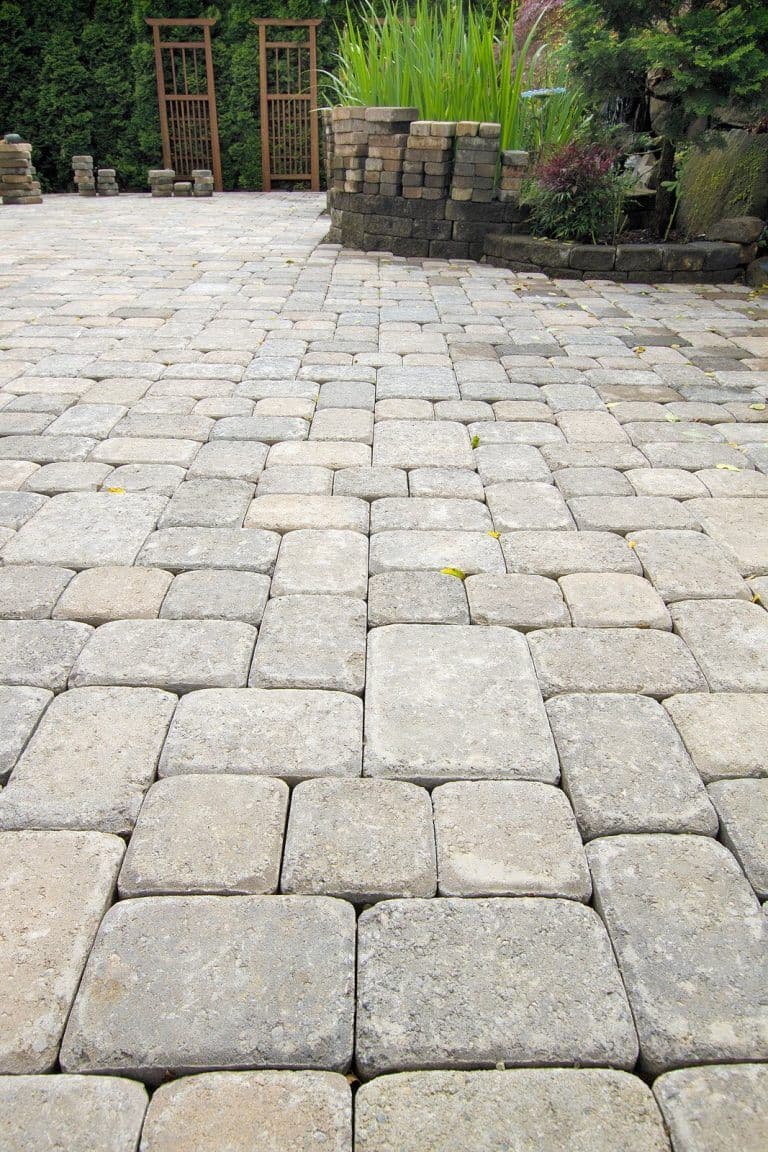
- Durability: This is a cornerstone factor in the selection process. You want your walkway materials to stand the test of time and weather conditions. Concrete, natural stone, and engineered stone are popular choices due to their robust nature. While concrete offers a balance of affordability and resilience, natural stone exudes an elegant and timeless appeal. Engineered stone combines the durability of natural stone with uniformity and can be more cost-effective.
- Polymeric Sand: For filling the joints between pavers, polymeric sand is a wise choice. Unlike plain sand, polymeric sand minimizes weed growth and enhances stability. It hardens when dampened, effectively locking the pavers in place and reducing the chances of shifting or uneven surfaces over time.
- Aesthetics: The appearance of your walkway is a significant element that contributes to your property’s overall visual appeal. Different materials offer varying color palettes, textures, and patterns. When selecting materials, it’s crucial to think about how they harmonize with your existing landscape and architectural style. For instance, if your home features traditional design elements, natural stone pavers may complement its aesthetic seamlessly. On the other hand, contemporary-style residences might benefit from the sleek and uniform look of concrete or engineered stone.
- Climate Considerations: Your geographical location and climate should also influence your material selection. For example, if you reside in an area with extreme temperature variations or heavy precipitation, you’ll need materials that can withstand these conditions without deteriorating quickly.
In colder climates prone to freezing temperatures, opt for materials that can endure freeze-thaw cycles without cracking or heaving. For these regions, concrete pavers with good freeze-thaw durability are a resilient choice.
On the other hand, in areas exposed to intense sunlight and heat, select materials that resist fading and retain their structural integrity under prolonged UV exposure.
With these considerations in mind, incorporating durable, visually appealing materials that align with your landscape and climate conditions will contribute to a long-lasting and stunning walkway installation that enhances your outdoor space.
Why Choose Village Green Landscapes for Your Walkway Installation?
At Village Green Landscapes, we understand that each property is unique, and so are your needs. Our team works closely with you to design a walkway that perfectly complements your existing landscape and meets your specific requirements. From the initial consultation to the final installation, we ensure that every detail aligns with your vision and enhances the overall look of your outdoor space. Contact us today!