When it comes to creating your outdoor paradise, the patio is often the heart of the space. Imagine inviting friends over for a barbecue or enjoying a quiet morning cup of coffee while surrounded by nature. It’s not just about having a spot outside; it’s about crafting an experience that connects you with the outdoors. But how do you make this vision a reality? With smart planning and design choices, you can transform even a small area into a functional, beautiful retreat that serves all your needs. Let’s dive into some essential tips and strategies that will help you maximize your outdoor space and ensure your new patio truly enhances your lifestyle.
Top Tips for Maximizing Outdoor Space
Choosing the right plants is just as important as selecting furniture when it comes to maximizing your outdoor space. Instead of planting everything on the ground, consider creating layers that utilize vertical space. For instance, wall-mounted planters and trellises allow you to grow robust plants without sacrificing valuable floor area. Climbing roses, ivy, or even herbs cascading from shelves not only add beauty but also intrigue to your patio landscape. Moreover, keep in mind how sunlight hits various areas. Some plants thrive in full sun while others prefer partial shade, so be sure to group them accordingly to create a harmonious look. Another strategic approach involves organization and segmentation of the space.
Have you thought about zoning your patio? By dividing your outdoor patio into distinct areas—such as dining, lounging, and gardening—you can effectively create a more usable environment. Using outdoor rugs can define these zones, guiding the eye and providing structure, almost like an indoor layout outdoors. Planters can also serve dual purposes. For example, tall planters can act as natural dividers that delineate spaces without walls, giving the area a sense of openness while still clearly marking where one zone ends and another begins. This simple strategy does more than just organize; it creates the illusion of increased space. Each zone serves a concentrated purpose, making it feel like you have multiple areas for various activities rather than just a single flat surface. As we think about function and organization, it’s also essential to incorporate sustainability and comfort into that design.
Incorporating multi-functional furniture can significantly enhance your patio experience. Think benches that double as storage or tables with adjustable heights—these designs are ideal for reducing clutter while providing versatility in how you use the space. For instance, when hosting guests, a higher table can serve as a buffet station; when it’s just your family relaxing outdoors, you can lower it for more intimate get-togethers. This flexibility maximizes usability without overcrowding your patio with unnecessary pieces. Plus, imagine having all your gardening tools tucked neatly under a bench while still maintaining a clean aesthetic—there’s nothing quite like an organized outdoor space! Lastly, don’t overlook the atmospheric aspects that will make spending time on your patio comfortable and enjoyable.
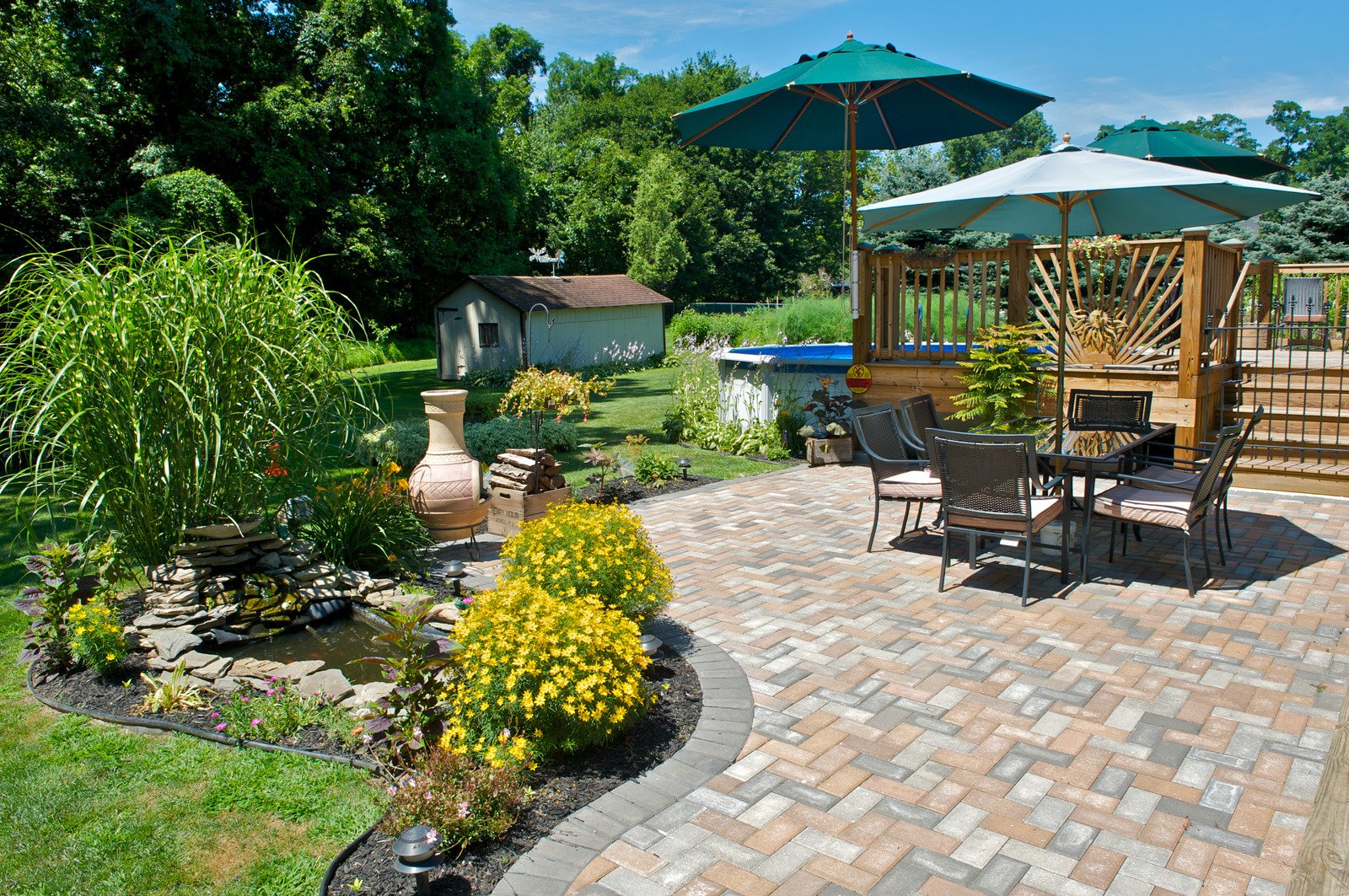
One way to extend your enjoyment of outdoor spaces is by utilizing shade solutions like a pergola or market umbrellas. Did you know that adding these elements can potentially increase the usability of your patio by up to 40% during hot months? They provide relief from the sweltering sun and transform afternoon gatherings into cozy evenings filled with laughter. As you entertain friends over dinner al fresco, the right amount of shade can create that perfect balance between warmth and coolness, which makes for lasting memories under the stars.
By thoughtfully integrating plant selection, zoning techniques, versatile furniture choices, and atmospheric enhancements, your outdoor area becomes not just a functional space but a haven for cherished moments and relaxation. Transitioning now to explore effective planning strategies will further elevate this dream retreat.
Efficient Patio Planning
A well-thought-out plan sets the stage for transforming your outdoor area into a beautiful oasis. The first step involves accurately measuring your outdoor space. Grab a tape measure and physically mark the dimensions of the area you want to work on—nothing beats hands-on measurements.
After that, consider using graph paper or a digital design tool for a more detailed layout. Many people find that sketching their potential patio helps them visualize their ideas better. This isn’t just a matter of aesthetics; accurate measurements help prevent unforeseen issues down the road. For example, if you realize halfway through the project that there’s not enough room for your new patio set, it can create frustration and lead to extra costs. Once you have a clear understanding of your space, it’s time to talk about money. Setting a budget is crucial in any home improvement project, and patios are no exception. Start by determining how much you’re willing to spend overall. Keep in mind that costs can vary significantly based on materials—concrete may run from $6-$15 per square foot, while pavers can go from $10-$30 each. Factor in elements like flooring, furniture choices, lighting options, and possibly decorative items too. It can be tempting to splash out on luxury materials, but remember to plan for at least 10–20% more than your original budget for unexpected expenses. Keeping track of these figures will ensure a smoother experience and keep you from overspending.
Once your financial constraints are established, the next logical step is to visualize the concrete details of your patio design. The layout design is where your vision starts taking shape. Begin by sketching multiple layout options, allowing yourself the freedom to explore different arrangements. Consider factors such as traffic flow—how people will move between spaces—as well as existing structures like your home or nearby trees that create natural boundaries and shade spots. An effective layout should maximize usability while still offering comfort. Pathways should allow easy access to different areas, whether it’s dining zones or lounge spots for relaxation. Don’t forget to think about where larger pieces of furniture will go! Aim for symmetry and balance within your design to create an inviting atmosphere. As you advance through these steps, keep in mind how each element connects back to maximizing not just functionality but also enhancing the beauty of your outdoor living space.
Selecting the Best Materials
When it comes to selecting materials for your patio, there’s much more than just aesthetics at stake. As you contemplate your choices, consider how these selections can dramatically affect both the look and durability of your outdoor space. For instance, if you live in an area that experiences harsh winters, using frost-proof tiles is a wise decision that will save you from costly repairs down the line. The right materials enhance your outdoor aesthetics and contribute to the longevity of your installation.
Factors to Consider
Among the many factors affecting your decision, climate is key. In warmer regions, porous materials might be excellent for ventilation and cooling, while moist climates could call for non-porous materials that resist mold and rot. As an added layer of assurance, think about maintenance; materials like composite decking may offer lower upkeep than traditional wood, which often requires periodic staining or sealing. Weighing factors such as this ensure that you don’t end up with buyer’s remorse after you’ve made your choice.
Aesthetic Appeal
Your patio represents an extension of your home’s personality and style. Thus, aesthetic appeal should be at the forefront of your considerations as well. For example, poured concrete stands out because it can be customized with a multitude of colors and patterns that mimic more expensive materials like stone or brick. This versatility enables homeowners to create a luxurious atmosphere without exceeding their budget. Whether you imagine a rustic farmhouse feel or an elegant modern look, choosing adaptable materials allows for a personal touch that engages both guests and family. However, aesthetics are not fully comprehensive without considering another crucial aspect: environmental impact.
Environmental Impact
In today’s world, our choices extend beyond mere visual appeal and functionality; they now encompass sustainability too. Selecting eco-friendly materials enhances the look of your patio and contributes positively to the environment. For instance, utilizing recycled pavers or sustainably sourced wood reduces your carbon footprint and promotes responsible consumption. Before you finalize any decisions, take a moment to research the sourcing and manufacturing processes behind the materials you’re considering. By doing so, you can ensure that your beautiful new patio is also gentle on our planet. As we navigate these essential considerations, gaining insights into effective methods for implementation will elevate your project even further.
Seamless Installation Techniques
Flawless installation is crucial because it not only ensures longevity but also enhances your outdoor aesthetic. Details are crucial in patio installation, as they can significantly impact the success or failure of a project.
Base Preparation
The first step is foundational—literally. It’s essential to have a solid base. Compacting a layer of gravel followed by a layer of sand creates an ideal foundation for your pavers. This prevents issues like shifting and sinking once your patio is in use. Think of it as building a house: without a firm foundation, everything else collapses. Please take your time with this part; a well-prepared base will yield benefits in the long run.
Proper Laying Techniques
Now that your base is solid and ready, laying the material correctly becomes key to a stunning patio. Start by laying down your pavers in accordance with your planned design. Here’s a helpful tip: maintain consistent spacing between each paver. Maintaining consistent spacing between pavers not only enhances aesthetics but also facilitates proper drainage and expansion, which can significantly impact the changing seasons. If you’re thinking ahead, consider using spacers during installation to help keep those gaps uniform. Once all your pavers are laid out neatly, it’s time to fill the joints with polymeric sand. This specialized sand not only locks the pavers in place but also prevents dreaded weeds from sprouting between them, saving you from future hassles with maintenance. This extra effort results in an aesthetically pleasing and practical patio that endures over time. Additionally, filling these joints will aid in preventing moisture buildup, which is beneficial for those who prioritize maintaining the functionality of their outdoor space.
These techniques blend seamlessly to form an inviting outdoor area, setting the stage for experiences that could include both leisure and gardening pursuits in your outdoor setting.
Incorporating Functional Design Elements
The essence of a well-designed patio lies in its functionality just as much as its appearance. It’s easy to envision a stunning outdoor area decorated with stylish furniture and exquisite decor, but imagine walking into that same space after dark. Without proper lighting, your beautiful setup can quickly disappear into the shadows, rendering it useless for gatherings or relaxation.
Outdoor Lighting
To tackle this challenge, it’s essential to incorporate subtle, energy-efficient LED lighting strategically throughout your patio. Imagine gentle pathways illuminated by soft lights guiding your guests to seating areas where they feel welcomed. Solar-powered lights are particularly remarkable; they not only conserve energy but also blend seamlessly with your surroundings during the day while lighting up at night like magic. This thoughtful addition ensures that your patio remains functional and inviting even after sundown, encouraging those cozy evening get-togethers under the stars.
Moving beyond merely illuminating paths and seating areas, consider how different types of lighting can enhance various experiences on your patio. For instance, string lights overhead can create an enchanting atmosphere for evening parties or family dinners. Accent lighting under benches highlights your plant arrangements and helps blend nature with architecture. Each choice plays a role in establishing the overall mood while enhancing visibility.
Water Features
Adding a water feature, such as a small fountain or water wall, elevates functionality alongside aesthetics as well. The soothing sound of trickling water instantly fosters tranquility, turning your patio into a peaceful sanctuary. Even more appealing is the option to choose portable water features; these can be easily relocated or adjusted to suit varying moods or gatherings without needing extensive installation. Beyond their auditory charm, water features provide certain practical benefits—they can help moderate temperature and humidity levels during hot summer days. This subtle climate control not only encourages more time spent outdoors but also enhances overall comfort levels, making your patio space even more inviting. Incorporating elements like effective lighting and water features lays a solid foundation for creating an inviting outdoor retreat. Let’s now explore additional strategies for ensuring these spaces remain pristine and enjoyable over time.
Tips for Long-Lasting Maintenance
Regular maintenance not only keeps your patio looking great but also protects your investment from deterioration. It’s essential to establish a simple yet effective cleaning routine for your outdoor space, setting the foundation for its long-term health. One easy approach is to schedule a deep clean once a month. This allows you to remove dirt, algae, and other debris that can accumulate over time, especially after rainstorms. Using nothing more than mild soapy water and a brush will usually suffice for most surfaces. It’s best to avoid high-pressure washing because this method can damage the material over time, potentially leading to costly repairs down the line.
Cleaning Routine
Embrace this habit: make cleaning part of your monthly calendar, an appointment with your patio. While scrubbing away grime, pay special attention to corners where water can pool and create stubborn stains or promote algae growth. Regular care prevents the need for intense treatments later on and extends the life of your patio. However, cleaning isn’t the only aspect of maintenance; seasonal checks are equally critical.
Seasonal Checks
Season | Maintenance Task | Frequency |
Spring | Check for and repair winter damage | Once a year |
Summer | Seal pavers or wood furniture | Every 2-3 years |
Fall | Clear leaves to prevent staining | Weekly |
Winter | Cover furniture and protect plants | Once before winter |
Each season presents its own set of challenges. During spring, it’s vital to inspect for any damage inflicted by winter weather; frozen conditions can cause cracks or shifts in material. Summer is the perfect time not only to enjoy your patio but also to apply sealants that can enhance durability against heat and protect wooden furniture from sun damage—this should occur every two to three years depending on your materials. In the fall, with leaves falling into our outdoor spaces, frequent clearing is key. Accumulated leaves can stain surfaces and inhibit airflow, so try to make it a weekly chore during this vibrant season. Finally, as winter approaches, don’t forget to cover outdoor furniture and provide protection for vulnerable plants. Preventative measures now can save you significant hassle come spring.
Why Choose Village Green Landscapes for Your Patio Installation?
At Village Green Landscapes, we understand that every homeowner has a unique style and vision. That’s why we offer fully customized patio designs that complement your outdoor space, match your aesthetic preferences, and meet your functional needs. Whether you prefer a sleek modern patio or a rustic natural stone retreat, our team will work closely with you to craft a design that enhances your property’s beauty and usability. With years of experience in patio installation in Twin Cities, MN, our skilled professionals take pride in delivering superior workmanship. From precise leveling to seamless integration with your landscape, we ensure every element of your patio is installed to perfection. Contact us today!