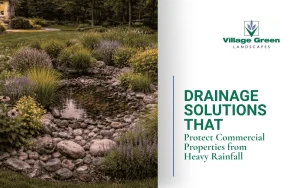
When it comes to maintaining your landscape, you might think of regular mowing or planting vibrant flowers as the key tasks. But there’s a hidden hero in your yard—retaining walls. These sturdy structures serve a crucial role in preventing soil erosion, managing drainage, and ensuring the resilience of your garden against natural forces. Consider hiring a professional retaining wall installer if you’ve observed slight changes in your garden’s health or stability. Let’s explore five signs that can indicate it’s time to protect your landscape with expert help.
Erosion and Soil Issues
Erosion isn’t just an aesthetic concern; it fundamentally threatens the integrity of your landscape. Imagine enjoying a beautiful hillside garden one day and witnessing soil slipping away into nothingness the next. That gradual loss may seem harmless at first, but over time, it can lead to much larger structural issues in your yard. The visible signs of erosion include bare patches, roots appearing above ground, or soil deposits collecting at the base of slopes. These concerns indicate that your soil is not only losing the rich nutrients necessary for plant health but also jeopardizing the stability of the entire area.
Many homeowners might think that simply adding some plants or covering bare areas with mulch could work as a quick fix to these problems. However, this line of thinking is often misguided. While these methods can provide temporary relief, they don’t address the root causes of erosion—such as improper drainage or inadequate support for steep grades. When we need to implement more substantial solutions later, this oversight can lead to recurring issues and escalating costs.
The True Cost of Ignoring Erosion
Consider this: according to the U.S. Department of Agriculture, soil erosion leads to an estimated $44 billion loss annually—from decreased productivity and lower land values. This figure underscores the economic burden and highlights how critical it is to take proactive measures against erosion. Hiring a professional retaining wall installer, like Village Green Landscapes, can be an important step toward preserving your landscape’s beauty and value. Retaining walls effectively manage slopes while preventing soil from washing away during heavy rains or even moderate irrigation sessions.
Besides offering functional improvements, retaining walls can significantly enhance the visual appeal of your property as well. Picture a stunning terraced garden where each level supports blooming flowers and lush greenery—a testament to both aesthetic beauty and practical engineering. Understanding these issues helps in sustaining your landscape and sets the stage for addressing deeper concerns regarding safety and stability in your outdoor space.
Structural Integrity Concerns
One of the most significant aspects of your landscape’s health lies in its structural integrity. Retaining walls serve a critical purpose, holding back soil and preventing erosion while also enhancing the aesthetic appeal of your yard. However, when you start noticing unusual changes in these structures, it’s time to pay attention. Walls that lean, crack, or bulge are often more than just unsightly; they signal potential weaknesses that could compromise the entire design of your landscape.
Structural Signs to Watch For
- Cracking or bulging in retaining walls: If you spot fissures running through the surface or sections puffing out unexpectedly, those cracks might indicate that pressure behind the wall is overwhelming its capacity.
- Shifting stones or blocks: Any noticeable displacement of stones or blocks can mean that the wall has lost its structural integrity and could collapse if not addressed promptly.
- Leaning walls, even at slight angles: A wall leaning ever-so-slightly could be a cause for concern. This usually indicates that the wall is settling unevenly, often due to compromised drainage or excessive weight from behind.
- Excessive water flow or pooling near the wall: Water can be both a friend and an enemy to retaining walls. When you see water pooling at their base or flowing excessively towards them, it may lead to soil erosion that jeopardizes their stability.
Recognizing these signs can safeguard your landscape from potential disasters. As we move forward, let’s explore how water management plays a key role in maintaining the integrity of your outdoor space.
Poor Water Drainage Indicators
Pay close attention to the signs your yard exhibits; recognizing them is the first step in safeguarding your property. Soggy patches or areas where water seems to linger might seem benign, but they often indicate more profound issues. These spots disrupt the aesthetic flow of your garden and signal that water isn’t traveling away from your home as it should. When moisture lingers, it can weaken the foundation of plant roots, leading to unhealthy growth or even plant death.
Inspect for standing water after rainstorms. If you consistently find puddles forming days after a storm, consider that your drainage system may not be functioning effectively. The soil’s inability to absorb this water can cause erosion over time—an issue compounded by gravity and runoff.
To truly grasp how effective drainage works, think about its architecture: retaining walls with integrated systems designed to manage excess water flow make a significant difference. Shannon Potter’s experience is a testament to this; after the professional installation of drainage solutions within her retaining wall, she witnessed a remarkable transformation—not just in aesthetics but also in functionality and value.
Recommended Solutions
If you notice any distress signals, it may be wise to seek professional assistance. Well-designed retaining walls equipped with proper drainage systems like weep holes or drainage pipes can effectively channel water away from sensitive areas, preventing damage and preserving your landscape’s charm.
This proactive approach protects your environment and enhances its longevity, ensuring that your outdoor space remains an enjoyable haven for years to come. Moving forward, it’s essential to understand the advantages that come from enlisting expert help for installation efforts.
Benefits of Expert Installation
When you consider investing in a retaining wall, the expertise of a professional can transform what might seem like a simple project into a long-term asset. Skilled installers bring not only craftsmanship but also experience that ensures stability and durability. Their techniques involve meticulously selecting quality materials designed to withstand the elements and creating functional structures that seamlessly integrate with the natural surroundings. By utilizing innovative design principles, retaining wall installers can enhance the aesthetic appeal of a landscape while providing essential support to prevent soil erosion and manage water drainage effectively.
Long-term Gains
One significant benefit of expert installation is durability. When retaining walls are built by experienced hands, they are constructed to endure the forces exerted by soil and water over time. Such durability means fewer repairs and replacements down the road, saving you money in maintenance expenses. It’s almost like having an insurance policy for your garden, keeping everything intact as natural elements fluctuate.
Furthermore, an aesthetically pleasing retaining wall not only retains soil, but also significantly enhances your property’s curb appeal. Research indicates that attractive landscapes can increase property value by up to 15%. Imagine the difference a beautifully crafted wall could make, transforming an overlooked area into a focal point of your home. It’s not just about utility; it’s about presenting an inviting atmosphere to guests and potential buyers alike.
Let’s not overlook the crucial aspect of peace of mind, which is often overlooked. When you hire skilled professionals, you can rest assured knowing that the job has been executed correctly. This confidence allows you to enjoy your outdoor space fully without lingering apprehensions about potential structural issues or failures in the future.
The choice of who installs these structures has lasting implications on your landscape’s stability, especially when considering environmental factors throughout the year.
Seasonal Impact on Yard Stability
Seasons change, and each one carries its own unique weather patterns that can significantly affect yard stability. For instance, as winter blankets the ground, freezing temperatures followed by thawing create the notorious freeze-thaw cycles. During this time, the soil expands when frozen and contracts upon thawing, leading to instability in your landscape. This cycle can displace soil away from existing structures or flower beds, pushing it toward areas where erosion can occur.
Then comes spring with its heavy rain showers that might feel refreshing but are detrimental to the soil. The American Society of Civil Engineers notes that a staggering 79% of soil erosion issues occur during winter and spring due to the combination of freeze-thaw cycles and heavy rains. When rain saturates the ground, it increases water runoff that washes soil away and pours into weak points in the landscape, creating further erosion and shifting ground.
Shifting into summer, things seem to change dramatically; however, this season brings challenges of its own.
As temperatures rise, dry spells can set in, causing the soil to lose moisture and become brittle. Dry and cracking soil quickly compromises its structural integrity, particularly if it’s sloped or near garden beds. This brittleness isn’t just unsightly; it makes the yard much more susceptible to movements compared to moist soil, which tends to be more cohesive. If planning for retaining walls isn’t taken seriously at this point, you may find yourself in a crisis when handling weakened earth.
Season | Impact |
Winter | Freeze-thaw cycles cause soil expansion. |
Spring | Heavy rains lead to erosion. |
Summer | Dry periods can make soil brittle and prone to cracking. |
Fall | Decaying leaves clog drainage systems. |
Finally comes fall, heralding the end of warmth but bringing its set of concerns as well. During autumn, decaying leaves accumulate on the ground and clog drainage systems crucial for managing water runoff throughout your landscape. If left unattended, this buildup traps moisture against surfaces rather than allowing for proper drainage. The results can be catastrophic, as sustained moisture levels contribute to additional erosion and even root rot for nearby plants. Therefore, having a proactive plan regarding retaining wall installation remains critical before winter sets in.
By recognizing how each season uniquely influences your yard’s stability, you’re better equipped to make informed decisions about implementing preventive measures like installing a retaining wall. With this understanding of seasonal impacts in mind, it’s essential to identify those key moments when professional help might be needed to ensure your landscape remains solid and safe.
When to Call a Professional Installer
Knowing when to call a professional installer can truly be the difference between addressing minor issues and facing significant, costly repairs in the future. If your retaining wall shows signs of movement—be it cracks, bulging, or drainage problems—these are signals that immediate attention is necessary. Such issues don’t simply vanish; they often escalate, leading to more extensive damage.
If you observe any of the aforementioned signs regarding the stability of your retaining wall or landscape, consider the matter an urgent call to consult experts. Delaying can worsen problems with the wall and its surrounding landscaping. For instance, when soil erosion begins due to a failing wall, it can compromise nearby plants’ root structures, leading to more loss than anticipated.
Knowing when to contact a professional installer can make a significant difference in addressing minor issues and avoiding future significant, costly repairs to a larger fissure that compromises the entire structure—repairing that could involve serious labor and increased expenses. Engaging a professional during the early signs helps ensure that these minor inconveniences remain manageable.
Strengthen and Beautify Your Landscape with Village Green Landscapes—The Twin Cities’ Trusted Retaining Wall Installer
When it comes to creating a strong, beautiful, and lasting landscape, no feature is more important than a professionally built retaining wall. At Village Green Landscapes, we are proud to be the trusted expert for retaining wall installation throughout the Twin Cities, MN. With years of experience and a true commitment to quality, we specialize in delivering retaining walls that are as visually striking as they are structurally sound. Whether you need to manage sloped terrain, prevent soil erosion, or simply add architectural interest to your outdoor space, Village Green Landscapes has the skill and expertise to design and install the perfect retaining wall solution. Contact us today!