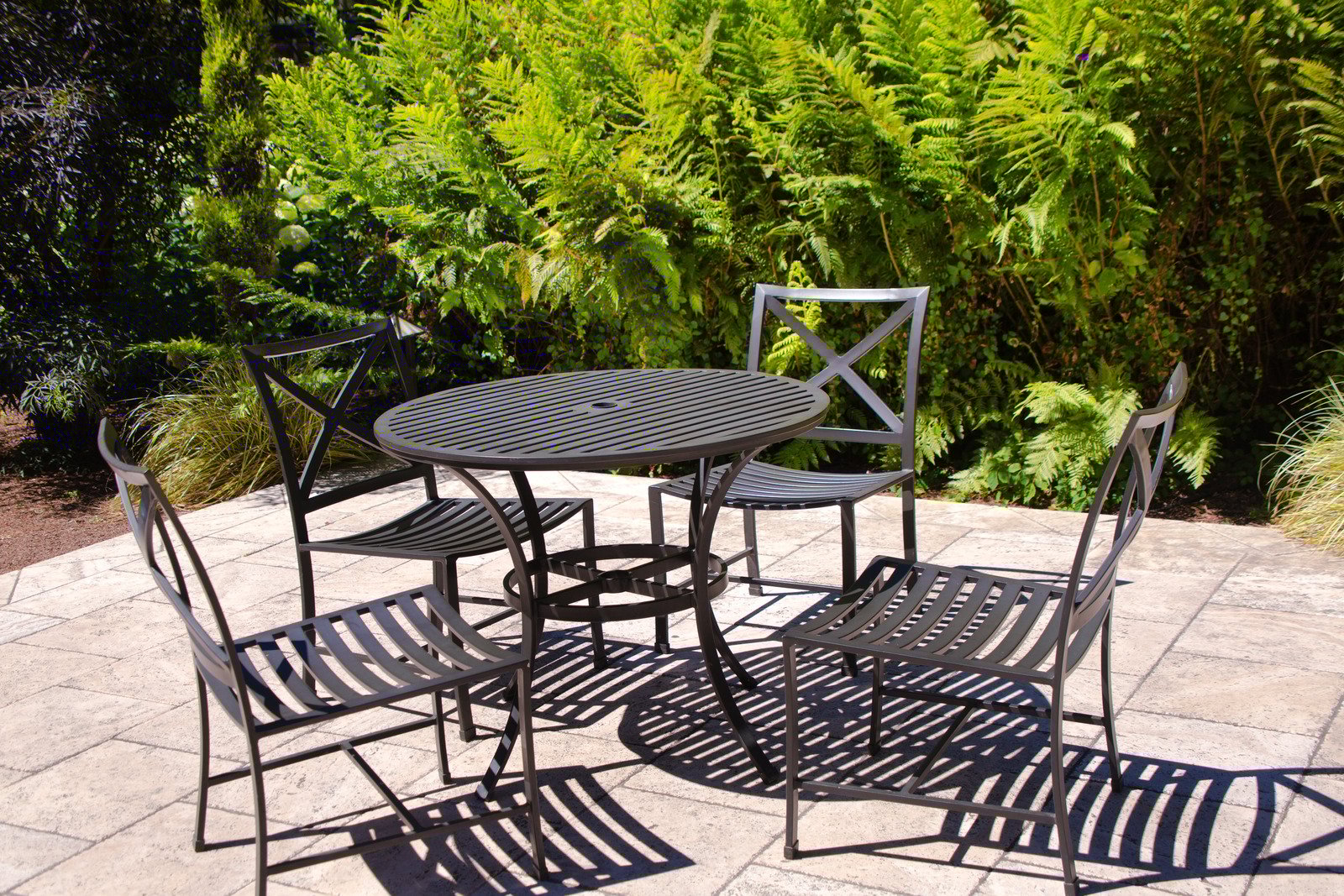
When planning to install a new patio, one of the most common concerns homeowners have is, “How long will this take?” It’s a valid question—after all, few want an outdoor project to stretch on for weeks without a clear end in sight. The truth is, the duration of a patio installation can vary significantly based on several key factors, including the size of the space, the complexity of the design, the type of materials used, and even the local weather conditions. By understanding how these variables influence the timeline, homeowners can set realistic expectations and better prepare for a smooth installation process. Below is a breakdown of the typical patio installation timeline and the factors that can impact it.
Typical Duration for Patio Installation
When contemplating a new patio, many homeowners naturally want to know how long the process will take. Generally speaking, the typical installation duration can range from a few days to several weeks, but the time frame can vary widely based on several factors, such as project size, design complexity, and site conditions. For instance, you might expect a modest-sized patio of about 300 square feet to be completed within 3 to 5 days, assuming everything goes smoothly. Yet, this timeframe can shift dramatically when you move to larger projects. Take, for example, patios that span around 800 to 1,000 square feet; these installations may extend up to 10 to 14 days, particularly if the design includes intricate patterns or additional features like seating walls or built-in lighting.
Factors Impacting Installation Time
One of the most significant influences on project duration is preparation time. In fact, about 90% of the total installation time is often dedicated to preparation tasks. This process involves clearing the area, leveling the ground, and installing an appropriate sub-base—steps that are crucial for ensuring your patio stands the test of time against environmental elements. Excavating stony soil may slow down your progress considerably or prevent potential snags further down the line if those initial tasks aren’t executed properly. Additionally, weather conditions can also heavily influence installation duration. Rainy days can delay work by an average of 1 to 3 days due to safety concerns and material handling issues. Therefore, gathering local climate information before scheduling your project could be key in avoiding unwelcome delays. After completing the preparations, the paver laying process is relatively quick, accounting for only about 10% of the total installation time! This phase is exciting because it brings your vision to life; however, it relies heavily on how well you’ve prepared beforehand.
The Importance of Teamwork
Working with a team can be beneficial in terms of efficiency. Having one or two helpers during gravel preparation keeps the workspace orderly without causing congestion. When it comes time for laying pavers—ideally four people should be involved—this balance between efficiency and crowding makes a noticeable difference in speeding up the process. While insights into estimated timelines can provide guidance, a well-thought-out plan is vital. By factoring in preparation steps, potential challenges related to your location’s soil conditions or weather impacts, and having a solid team approach, you’re setting yourself up for success in achieving your dream outdoor space without undue hiccups along the way.
Key Factors Influencing Time
The first and perhaps most substantial factor influencing the timeline is site preparation. Approximately 90% of the total installation time is dedicated to groundwork tasks, such as clearing debris and leveling the ground. If the soil is rocky or compacted, it can slow down this phase significantly. Having the correct tools—such as a plate compactor for crushed gravel—makes all the difference. Without a properly prepared base, laying the pavers can quickly lead to flaws that extend the overall project duration. Building on preparation, let’s explore how the use of different materials affects installation time.
Different types of patio materials require varied durations for installation due to their unique handling characteristics. For instance, concrete may take between one and three days to install depending on curing times, while pavers typically require two to five days because they need specific cutting and fitting to ensure perfect alignment. Natural stones can further complicate matters, often taking up to seven days due to their heavy nature and the need for careful placement. Understanding these variations helps homeowners set realistic expectations based on their chosen materials. In addition to site prep and material choices, consider labor availability as another crucial influence on your project’s timeline.
A well-organized team can significantly expedite the process. Ideally, having two helpers during base preparation and a crew of four when laying pavers strikes the right balance of efficiency without overcrowding. It’s not uncommon for solo installers to take twice the time compared to collaborative efforts, so proper scheduling of labor can shave off days from the overall timeline. Incorporating a runner—a person who fetches materials as needed—can keep things moving smoothly during those critical hours. Lastly, we must reflect on design complexity and its significant influence.
The complexity of your patio design cannot be understated. While a straightforward rectangular layout allows for rapid installation due to less cutting and fewer adjustments, an intricate design demands precision. For instance, circular patterns or multi-tiered levels may take as much as 30% longer to complete because they involve more meticulous work in terms of cutting and aligning stones carefully. When planning your patio, be realistic about how your desired aesthetic impacts your time frame. With these considerations in mind, it’s essential to focus on the foundational aspects of your project that might require permits or special preparations before diving into the fun part of designing your patio.
Ground Preparation and Permits
Obtaining permits can often feel like a cumbersome chore, but it’s a necessary step that ensures your project meets local building codes and regulations. Depending on where you live, this process can vary greatly from just a few days to several weeks. Different municipalities have unique requirements, which makes it vital to check with your local authority before jumping into the installation process.
As tedious as it may seem, having all your paperwork in order from the start allows the installation to run smoother once you begin. Take the time to research what exactly is required for your project, as some areas might even require soil testing or special inspections based on the design or location of your patio. Often overlooked, these preparatory steps can save you time and headaches down the road.
Ground Preparation
The ground preparation phase is where most of the project’s labor commitment lies. This stage typically includes excavation, leveling, and laying down a proper sub-base. In fact, preparation can consume nearly 90% of the total time required for installation, emphasizing how crucial it is not to rush through this aspect. When planning your timeframe, keep in mind that for challenging soil conditions—be it rocky terrain or clay—you might spend an entire week readying just a 500-square-foot area.
Understanding the labor involved will help set realistic expectations for yourself and anyone you’re working with. You might find that digging begins slowly at first; however, it genuinely speeds up with efficient teamwork and the right tools in place. A well-prepared foundation is essential for ensuring both the aesthetic appeal and longevity of your patio. Utilize heavy equipment like a plate compactor for crushed gravel during base preparation. Not only does this expedite the process significantly, but it also guarantees level ground—the bedrock of any successful paving installation.
As you embark on this project, bear in mind that thoughtful ground preparation isn’t merely about getting the dimensions right; it also involves considerations such as drainage. Ideally, you should maintain a slope away from your house to allow for water runoff—a detail that can be easily overlooked if you’re eager to commence laying pavers. By paying attention to both permits and ground preparation, you’ll build a solid foundation—not just for your patio, but also for peace of mind knowing you’ve done things by the book and built something that stands the test of time.
Attention to these critical initial steps sets the stage for understanding how different factors affect project timelines, particularly when considering aspects like layout intricacies and overall dimensions.
Design Complexity and Size
The overall dimensions of your patio are pivotal in determining the installation timeline. For a small space, around 200 square feet, you might find a complete setup takes merely about three days from start to finish. However, when you scale up, things begin to shift dramatically. A patio expanding to 600 square feet could multiply the installation time significantly—sometimes even tripling the duration needed. The delay is primarily due to the increased effort required for both excavation and material placement. As the area grows, so does the amount of preparation work involved in laying the foundation.
Size Matters
When planning your patio project, keep in mind that simpler designs lend themselves to faster installations. A straightforward rectangular or square shape allows for efficient cutting and placing of pavers or stones since there are fewer intricate angles and adjustments. Conversely, if you’re dreaming of a remarkably spacious gathering area adorned with curved features or multi-level sections, brace yourself for extended working hours. Unique patterns often necessitate additional cutting and fitting of materials, essentially translating into more time invested on-site.
Complexity's Impact
More elaborate designs require meticulous attention to detail. For example, built-in seating areas or steps leading down to different levels in your vision will take more time than expected. Each feature adds visual appeal but also demands precision during installation. Such complexities can indeed stretch out the project timeline by several days; contractors need to ensure that everything fits seamlessly together while still meeting all structural requirements.
Furthermore, preparing for these complications may necessitate extra labor; having a team helps maintain efficiency without creating clutter on-site. Staging materials according to design style can also streamline the process, as workers won’t have to waste precious time searching for what they need mid-installation. Combining thoughtful design with straightforward planning can transform your vision into reality while preserving valuable time.
As you consider these factors, it’s important to understand that both size and complexity work together; they are interrelated elements that play a significant role in shaping your project’s timeline and execution.
Material Selection Impact
When planning a patio project, choosing the right materials is crucial, as varying installation challenges can directly affect the timeline. For instance, while concrete pavers might be a common choice due to their straightforward installation process, natural stones such as slate or granite require a more involved approach. Each stone must be carefully placed to ensure proper fit and alignment, which can extend installation time considerably.
Natural Stone vs. Concrete
Natural stone presents unique challenges; its uneven surfaces often require meticulous adjustments during positioning. This means that installing a natural stone patio can take about 1.5 times longer than the installation of uniform concrete pavers. For example, laying a standard patio of around 900 square feet may take a full day with concrete due to effective base preparation and teamwork, while natural stone could stretch over several days. The difference is stark when you’re on-site, as workers need to adjust each piece to achieve that coveted natural look.
Additionally, proper base preparation becomes paramount with natural stone. It’s essential to create a level sub-base and ensure that water drainage slopes away from your home—all factors that necessitate careful planning. Thorough preparation is vital, as it can save hours of labor down the line.
Moreover, special materials like marble or high-end tiles come with their own set of challenges.
Specialty Materials
The use of specialty materials demands not only additional care during handling but also skilled labor familiar with their particularities. These high-end selections require extra attention in fitting and often need unique cutting techniques, extending the timeline by an additional few days. If there are any custom designs involved—think intricate patterns or borders—the complexity multiplies.
The time invested in selecting specialty materials comes with considerations of cost and aesthetics; an eye-catching marble patio may elevate your outdoor space’s flair but requires more patience and expertise to install correctly. Thus, while your vision for an elegant design may manifest beautifully once completed, being mindful of time constraints is essential for keeping your project manageably paced.
Regardless of whether you opt for traditional concrete or elegant natural stone and specialty materials, remember that material selection plays a pivotal role in shaping not only the look of your patio but also the duration required to bring it all together.
Installation Steps Explained
A clear understanding of each installation step can help you gauge how long each phase might take. Let’s break this down into manageable parts, starting with excavation.
Step I—Excavation
Digging out the area for the patio is where the journey begins. This initial stage varies significantly in duration, taking anywhere from one to three days based mostly on the type of soil.
For instance, sandy soils are typically easier and quicker to excavate than dense clay. It’s essential to dig the right depth and ensure a slope of at least 1% away from your house, as this will help with proper water drainage—a vital consideration that will influence the longevity of your patio.
After completing the excavation, it’s crucial to establish a robust foundation.
Step II - Sub-base Installation
The sub-base installation involves laying down several layers of gravel or crushed stone for stability. This step creates a strong foundation that prevents shifting over time. Please anticipate that this process will take approximately one day for every 150 square feet.
Utilizing a plate compactor during this step is highly recommended, as it ensures that the base is well-compressed and ready to support your pavers.
Tip: Always check for levelness—an uneven sub-base could lead to structural issues once the pavers are laid.
Recommendation: Use landscape rakes and strings to mark areas clearly for screeding sand consistently across the base.
With a solid base in place, you’re ready to lay the pavers.
Step III - Laying Pavers
Aligning and setting the pavers is one of the most time-consuming parts of the installation process. Depending on your team’s experience, laying pavers can take about a day for every 400 square feet when you have four people working together.
By staging individual stones according to design style prior to laying them down, you can ensure a uniform appearance and prevent mismatches during layout.
We cannot overstate the importance of teamwork here; assigning roles like a ‘runner’ who fetches materials will significantly streamline procedures.
After placing those pavers just right, we move toward finishing touches.
Step IV—Sanding and Sealing
The final steps include applying sand between the joints and sealing the surface, which can add an additional one to two days to your project timeline. Sand fills in the spaces between pavers, providing stability and preventing movement.
Applying sealant not only protects your investment but also enhances its appearance by bringing out the color of your materials. As always, patience in this step will pay off in maintaining your patio through various weather conditions.
Understanding these phases lays a strong foundation as we explore how expert assistance can impact project efficiency and quality.
Effect of Hiring Professionals
Choosing to hire professionals for your patio installation can save you a significant amount of time and effort. Experts in the field bring years of experience and know-how, which is invaluable. They understand the intricacies of laying pavers, from soil conditions to drainage requirements. A team familiar with local geology will tackle challenging soil types much more efficiently than a novice.
In fact, many home projects benefit from having professionals on board; they often have specialized tools that speed up the process and ensure quality work. Having a plate compactor or a strategic leveling tool on hand can significantly improve the quality of a base preparation and prevent future complications. Without the right tools or knowledge, a DIY job might stretch out far longer than necessary. Preparation tasks, such as digging, leveling, and installing a sub-base, account for around 90% of patio installation time.
Cost considerations are crucial when evaluating whether to hire professionals versus going the DIY route. Although it may appear more economical to do it yourself at first, consider this: professional installations tend to complete projects 30% to 50% faster than DIY efforts. When you account for your own time investment and potential mistakes that lead to further costs down the line, choosing experienced help often proves advantageous in both quality and expenses.
Key Points to Weigh When Considering Professional Services
- Expertise: Professionals bring knowledge about best practices and potential pitfalls that can arise during installation.
- Speed: Their familiarity with the work allows for quicker completion timelines.
- Access to Tools: Having proper equipment ensures better results.
- Reduced Risk: Leaves little room for mistakes that could lead to costly repairs later on.
Ultimately, deciding whether to hire professionals plays an essential role in shaping your project timeline and potentially influencing long-term costs associated with maintaining your beautiful new patio from Village Green Landscapes.
When it comes down to it, investing in professional help not only enhances the efficiency of your patio installation but also ensures a quality outcome that you will enjoy for years to come.
Why Choose Village Green Landscapes for Your Patio Installation?
Transform your backyard into a stunning outdoor retreat with Village Green Landscapes—the trusted patio installation experts serving the Twin Cities. Whether you’re envisioning a cozy space for family gatherings or a stylish area for entertaining guests, our team is dedicated to bringing your dream patio to life with precision and care. Our commitment to excellence ensures that every patio we install is built to last, using high-quality materials and proven construction techniques. Don’t wait to create the outdoor space you’ve always desired. Contact Village Green Landscapes today to schedule a consultation and take the first step toward your dream patio.